Charter Basics: What to Know Before Chartering on the Great Lakes
Chartering a boat on the Great Lakes is not the same experience as booking one in the BVI or Croatia. The water is fresh. The weather is less predictable. The harbours are smaller and the distances between them can be longer. But those differences are exactly what makes Great Lakes chartering worth doing. You get real cruising in real conditions, with towns and anchorages that most people never see from shore.
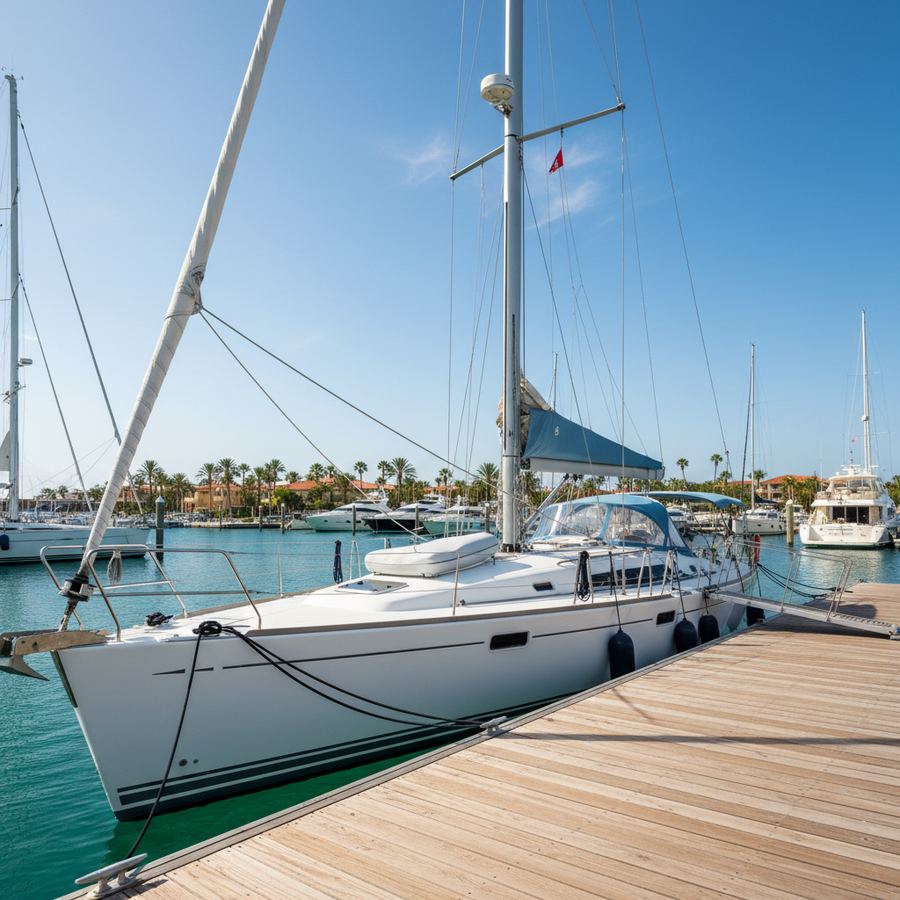
How Great Lakes Chartering Works
The basics are the same as anywhere. You rent a boat for a set period, provision it yourself, and go where you want within the agreed cruising area. On the Great Lakes, that cruising area is usually Georgian Bay, the North Channel, or the Lake Huron coast. Some operators also offer charters out of ports on Lake Ontario and Lake Erie, though the majority of the sailing charter fleet sits in the Georgian Bay region.
Charter season runs roughly from late May through early October. July and August are peak months. If you can swing a June or September booking, you will get quieter anchorages, cheaper rates, and often better sailing conditions. September on Georgian Bay is hard to beat: warm days, cool nights, fewer boats, and the first hints of fall colour along the shore.
Bareboat vs. Skippered
On a bareboat charter, you are the captain. You need to demonstrate that you can handle the boat safely, which usually means showing a sailing certification or logging enough experience to satisfy the charter company. On the Great Lakes, most operators accept a CYA or ASA certification, though some will take a solid resume of offshore experience instead.
A skippered charter puts a professional captain aboard. This is the better option if your crew is less experienced, if you want to learn the local waters from someone who knows them, or if you simply want to relax and not think about chart plotters for a week. It costs more, but it also means someone else handles the docking in tight harbour slips, which is worth the money in places like Penetanguishene.
What to Expect on Your First Charter
Your first day starts with a boat briefing. The charter company walks you through the vessel: engine start procedures, head operation, stove, electronics, safety gear, and dinghy. Allow two to three hours for this, even if you think you know boats. Every boat has its quirks and you want to find them at the dock, not in the middle of a channel.
Provisioning usually happens before you board or on your first morning. Midland and Penetanguishene both have grocery stores within a short drive or taxi ride of the marinas. Stock up well. Once you are out in the islands, your resupply options are limited to small general stores with tourist pricing. Read our guide on what a Great Lakes charter is actually like for a more detailed walkthrough.
Costs and Planning
Charter rates on the Great Lakes tend to be lower than the Caribbean. A 35- to 40-foot sailboat in peak season runs in the range of $3,000 to $5,000 per week for a bareboat. Add a skipper and you are looking at another $200 to $300 per day. Fuel, provisions, marina fees, and a security deposit come on top of that.
The best thing you can do is plan your route before you go. Know which harbours you want to visit, check their approach depths, and have alternates picked out in case the weather pushes you somewhere else. Our cruising guides cover specific routes and destinations to help with that planning. The Ontario government's boating page also has useful information on licensing requirements and safety regulations.
Is It Worth It?
If you have any interest in boating and you have not cruised the Great Lakes, you are missing out. Georgian Bay alone has more islands than you could visit in a lifetime of summers. The water is clean, the scenery is dramatic, and the harbour towns have a character that resort destinations cannot match. Chartering is the fastest way to experience all of it, even if you have never set foot on a sailboat before. Start with a trip planning overview and go from there.