Great Lakes Towns with Strong Harbour Identity
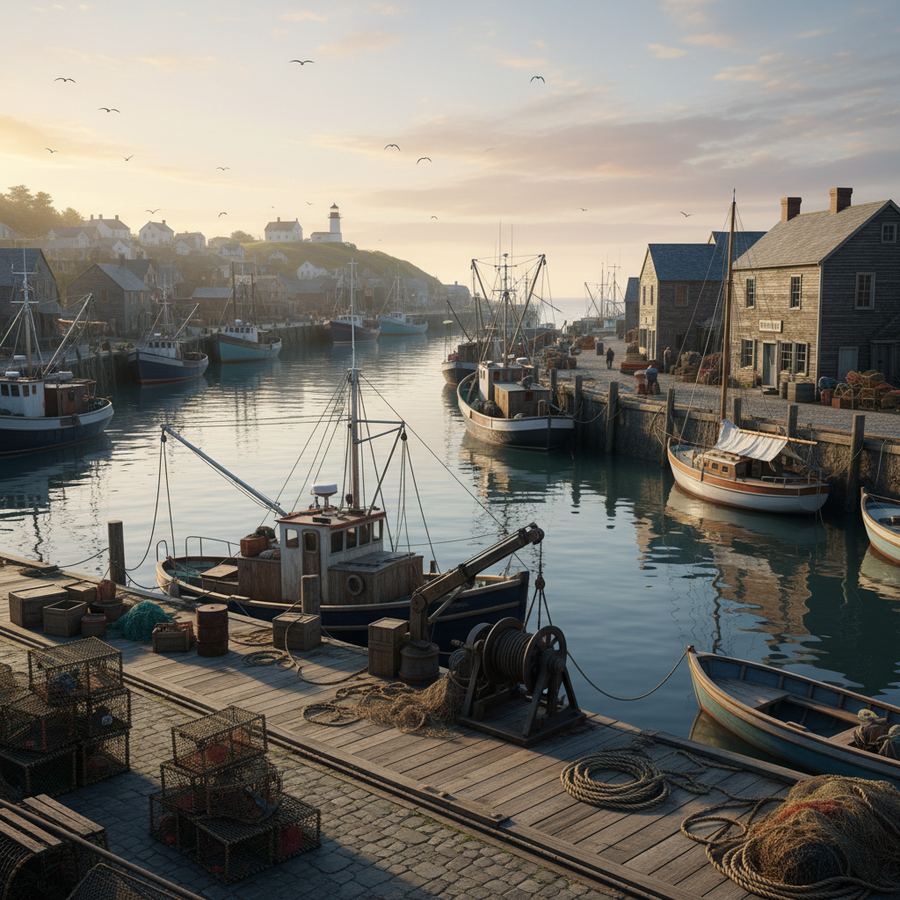
Some towns have a harbour. Other towns are a harbour. The difference is obvious the moment you pull in. In the first kind of town, the marina is a facility on the edge of things, tucked away from the real commercial life of the place. In the second kind, the harbour is the reason the town exists. The main street points at the water. The restaurants serve fish that came off a boat that morning. The conversation at the coffee shop involves weather and wave heights. The town and the harbour are the same thing.
On the Great Lakes, that second kind of town is getting rarer. Waterfronts get redeveloped into condos. Fishing fleets shrink. Marinas become parking lots for boats that never move. But some towns have held on to their harbour identity, either through deliberate effort or through a kind of stubborn refusal to become something they are not. These are the places worth seeking out.
What Harbour Identity Looks Like
A town with strong harbour identity shows its maritime character in layers. The physical layout tells the story first: the harbour is central, not peripheral. Streets lead toward the water, not away from it. Then there is the economic layer. A harbour town with real identity still has working waterfront activity, whether that is commercial fishing, boat repair, or charter operations. There is grit mixed in with the polish. Cultural identity runs deeper still. The festivals revolve around the water. The museums tell the story of ships and the people who worked the lakes. Residents will tell you so unprompted.
Tobermory
Tobermory might have the strongest harbour identity of any town on the Great Lakes. Little Tub Harbour is not just the centre of town; it is effectively the entire town. The commercial district wraps around the harbour on three sides. Every restaurant has a view of the water. Every shop caters in some way to people who arrived by boat or who are about to get on one.
The town reinvented itself around diving, fishing, and touring when the big ships stopped coming. But the harbour never stopped being the point. The ferry to Manitoulin Island departs from here. The dive boats go out from here. The glass-bottom tour boats load up right at the main dock. Fishing boats still share space with sailboats, and the Fathom Five National Marine Park headquarters sits right on the harbour, grounding the town's identity in conservation and maritime heritage rather than just commerce.
Penetanguishene
Penetanguishene has been a harbour town since before it was officially a town. The British established a naval base here in the early 1800s, and the harbour has been central to the settlement ever since. The name itself comes from Anishinaabe words describing the landscape of falling sand, oriented around the water.
Today, the connection between the harbour and the town remains tight. Main Street runs down to the waterfront. The town dock is where the action is on a summer evening. Discovery Harbour, the reconstructed naval and military base, sits just north of town and tells the story of the harbour's role in Great Lakes history.
Penetanguishene also maintains a working waterfront. The harbour has not been entirely given over to recreational boats, and that mix of working and pleasure craft gives the waterfront an authenticity that purely recreational marinas lack.
More on arriving here in our Penetanguishene destination guide.
Owen Sound
Owen Sound's harbour identity is rooted in industry and shipping. This was a major port in the era of Great Lakes steamships, and the town grew into a small city on the strength of that traffic. The grain elevators, the rail lines running to the waterfront, the deep inner harbour: all of it tells the story of a town built to serve the water.
The shipping era faded, but Owen Sound has held on to its harbour identity more successfully than many ports that went through the same transition. The inner harbour is still the geographic centre of town. The Saturday farmers' market happens steps from the water. The Marine and Rail Museum preserves the history of the port with exhibits on the steamship era.
For cruisers, Owen Sound offers the feeling of pulling into a port with genuine maritime weight behind it. This is not a cute tourist harbour. It is a harbour that once handled serious traffic, and that history gives the place a gravity that lighter waterfront towns do not have. See our Owen Sound destination page for approach details.
Kincardine
Kincardine's harbour sits at the mouth of the Penetangore River, and the lighthouse at the harbour entrance has been a landmark on Lake Huron since 1881. The town's identity is tied to that lighthouse and to the harbour it marks. The pipe band that parades down Queen Street on summer Saturday evenings marches to the lighthouse, not away from it. The town faces the water.
What gives Kincardine's harbour identity its particular character is the blend of fishing heritage and resort culture. This was a fishing town first, and while the commercial fleet has dwindled, the memory of it shapes how the town relates to its waterfront.
The main street connects directly to the harbour area, and the businesses along it reflect the town's orientation toward the water. Marine-related shops sit alongside restaurants and galleries. The overall effect is a town that knows it is a harbour town and does not try to be anything else. Our Kincardine guide covers what to expect.
Midland
Midland's relationship with the water is painted on its walls, literally. The town is famous for its outdoor murals, and many of them depict the harbour, the ships, and the history of the waterfront. That artistic attention to maritime history says something about how the town sees itself.
The harbour has been the commercial heart of the region since Midland served as a major lumber port and later a grain shipping point. The massive grain elevator that still stands on the waterfront is a monument to that era. It is impossible to approach Midland by water without seeing it, and it sets the tone for the whole stop.
Midland also serves as the practical gateway to the 30,000 Islands, which gives the harbour ongoing functional importance beyond nostalgia. Boats heading into the archipelago provision here, fuel here, and often return here. That ongoing utility is a big part of what keeps the harbour identity alive.
Why Harbour Identity Matters to Cruisers
Harbour identity shapes everything about the experience of arriving by boat. In a town where the harbour is an afterthought, arriving by water feels like coming in through the back door. The town faces away from you. The amenities are designed for people who drove in.
In a town with strong harbour identity, the opposite is true. Arriving by water is the natural way to arrive. The town opens toward you. The waterfront is the best part of the place. It is the difference between parking and arriving, and it is why these towns draw cruisers back season after season.
For more on the towns that make Great Lakes cruising rewarding, browse our marina towns section or read about cruising Georgian Bay.